resources

resources

18 June 2025 • 6 min read

18 June 2025 • 6 min read

The Digital Ordering Revolution

The Digital Ordering Revolution

The Digital Ordering Revolution

Digital orders could hit 50% of restaurant revenue by 2035. Learn how Aussie venues can optimise menus, loyalty, and operations to drive higher spend and retention.

Digital orders could hit 50% of restaurant revenue by 2035. Learn how Aussie venues can optimise menus, loyalty, and operations to drive higher spend and retention.

Written by

Nomni

The ultimate hospo solution

Digital ordering could capture half of all restaurant revenue within a decade. The shift is already reshaping how restaurants operate, from kitchen workflows to customer loyalty programs.

Is Australia leading or following the global trends?

Globally, seven in ten diners under 55 now use apps to order ahead. This is no longer just a convenience feature. A third of consumers consider advance ordering important when choosing where to eat. Speed remains critical, but digital channels are also shaping expectations around personalisation and rewards.

Restaurant executives estimate digital orders could represent 35% to 50% of total revenue by 2035. These projections reflect long-term behavioural changes that accelerated during the pandemic and continue to influence dining habits.

Menus Are Missing Margin Opportunities

Many restaurants are leaving revenue untapped through under-optimised digital menus. Beverages are often among the highest-margin items, yet attachment rates are lower in digital channels.

Globally, only 60% of digital orders include drinks, compared to 75% for traditional in-person orders.

Further analysis of digital menus shows recurring issues:

  • 80% list fewer than six beverage options

  • 25% lack imagery

  • 80% do not offer bundle deals

These gaps represent significant missed revenue potential.

The underlying issue is treating digital menus as static replicas of in-store menus, rather than as revenue tools. Restaurants that optimise imagery, bundle offers, and product placement typically see improvements in average order value.

Integrated platforms like the Nomni Magic App connect menu management directly to Nomni POS, helping ensure digital menus remain accurate while supporting higher spend through structured design and updates.

Six forces reshaping hospitality

Digital infrastructure is driving six major industry shifts:

  1. Personalised guest engagement

  2. Evolving labour models through automation

  3. Continued growth in off-premise dining

  4. Rapid menu customisation

  5. Dynamic pricing in response to cost volatility

  6. Blurred channel boundaries as retailers expand food offerings

Each of these trends depends on connected systems. Personalisation requires customer data. Labour transformation relies on digital ordering and kitchen automation. Off-premise growth requires integrated pickup and delivery solutions.

The three pillars of digital success

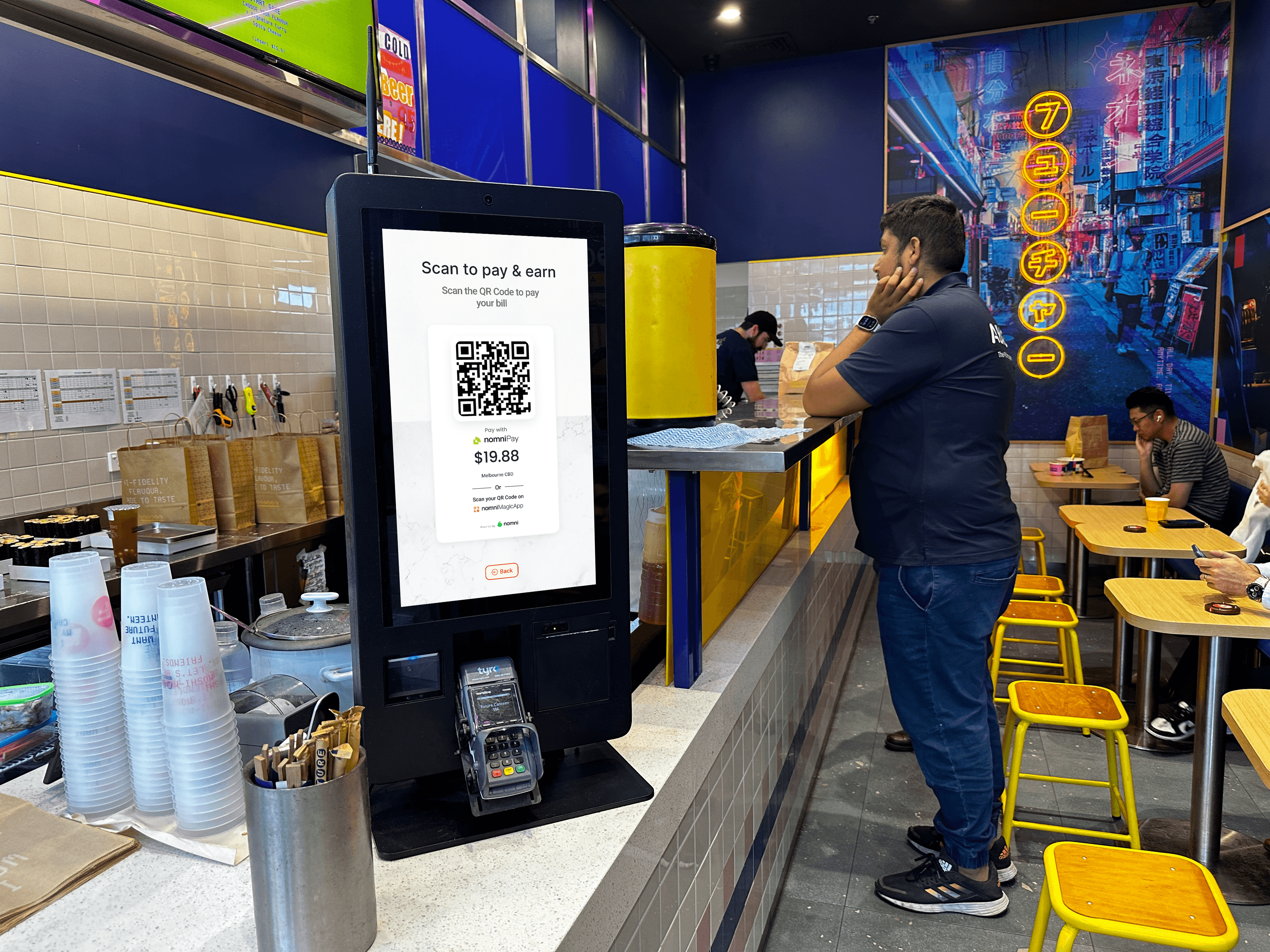
Successful digital ordering platforms deliver three core values: time saving, exclusive deals, and customisation options. Customers want to skip lines, access app-only promotions, and maintain their ordering preferences. Solutions like Nomni’s Magic App address all three by enabling QR-code access without downloads, built-in loyalty rewards, and seamless payment integration.

Time savings matters most. Users gravitate toward platforms that enable quick reordering of previous purchases and streamlined pickup processes. They abandon apps that create friction or fail to deliver speed advantages over in-person ordering.

Exclusive promotions provide the second pillar. App users expect deals unavailable to walk-in customers. These incentives justify the effort of downloading apps and creating accounts. Without meaningful exclusivity, digital platforms struggle to build loyal user bases.

To be effective, loyalty and incentive programs must be uniquely branded and offer differentiation. Traditional programs running on platforms branded by a loyalty provider and offering generic incentives are significantly less effective than those provided by Nomni, where the program is entirely branded and owned by you and customisable to create exclusivity.

Customisation completes the foundation. Successful platforms remember user preferences, suggest relevant items, and allow for detailed order modifications. This personalisation mirrors the best aspects of in-person service while adding digital convenience.

Operational transformation required

Digital success requires operational alignment beyond simply launching an ordering channel.

Menu engineering becomes essential. Nomni Online Ordering and Nomni Supply enable operators to test item placement, descriptions, imagery, and bundles to influence purchasing behaviour.

Kitchen workflows must adapt to increased digital volume. Dedicated pickup areas, clear signage, and staff training across multiple order channels become critical. Nomni POS and KDS support streamlined kitchen operations and improved order flow.

Data collection and analysis also become central capabilities. Digital systems generate insights into customer frequency, order patterns, and product performance. Nomni Insights provides real-time analytics, enabling targeted campaigns through integrated CRM tools such as Nomni Engage.

The loyalty revolution

Digital platforms support more advanced loyalty programs than traditional points systems.

Modern systems can trigger personalised offers based on frequency, purchase history, and seasonal trends. Instead of broad, generic promotions, operators can deliver targeted rewards aligned to individual preferences.

Brand-owned digital currencies and rewards systems allow operators to manage redemption rules while encouraging future visits.

Customers enrolled in structured digital loyalty programs typically visit more frequently and spend more per order. Venues using integrated loyalty platforms report measurable improvements in average order value and retention.

Digital ordering is more than a channel shift. It represents a structural change in how restaurants generate revenue, manage operations, and engage customers. Operators who treat it as core infrastructure rather than an add-on are better positioned for sustainable growth in a competitive market.
Digital ordering could capture half of all restaurant revenue within a decade. The shift is already reshaping how restaurants operate, from kitchen workflows to customer loyalty programs.

Is Australia leading or following the global trends?

Globally, seven in ten diners under 55 now use apps to order ahead. This is no longer just a convenience feature. A third of consumers consider advance ordering important when choosing where to eat. Speed remains critical, but digital channels are also shaping expectations around personalisation and rewards.

Restaurant executives estimate digital orders could represent 35% to 50% of total revenue by 2035. These projections reflect long-term behavioural changes that accelerated during the pandemic and continue to influence dining habits.

Menus Are Missing Margin Opportunities

Many restaurants are leaving revenue untapped through under-optimised digital menus. Beverages are often among the highest-margin items, yet attachment rates are lower in digital channels.

Globally, only 60% of digital orders include drinks, compared to 75% for traditional in-person orders.

Further analysis of digital menus shows recurring issues:

  • 80% list fewer than six beverage options

  • 25% lack imagery

  • 80% do not offer bundle deals

These gaps represent significant missed revenue potential.

The underlying issue is treating digital menus as static replicas of in-store menus, rather than as revenue tools. Restaurants that optimise imagery, bundle offers, and product placement typically see improvements in average order value.

Integrated platforms like the Nomni Magic App connect menu management directly to Nomni POS, helping ensure digital menus remain accurate while supporting higher spend through structured design and updates.

Six forces reshaping hospitality

Digital infrastructure is driving six major industry shifts:

  1. Personalised guest engagement

  2. Evolving labour models through automation

  3. Continued growth in off-premise dining

  4. Rapid menu customisation

  5. Dynamic pricing in response to cost volatility

  6. Blurred channel boundaries as retailers expand food offerings

Each of these trends depends on connected systems. Personalisation requires customer data. Labour transformation relies on digital ordering and kitchen automation. Off-premise growth requires integrated pickup and delivery solutions.

The three pillars of digital success

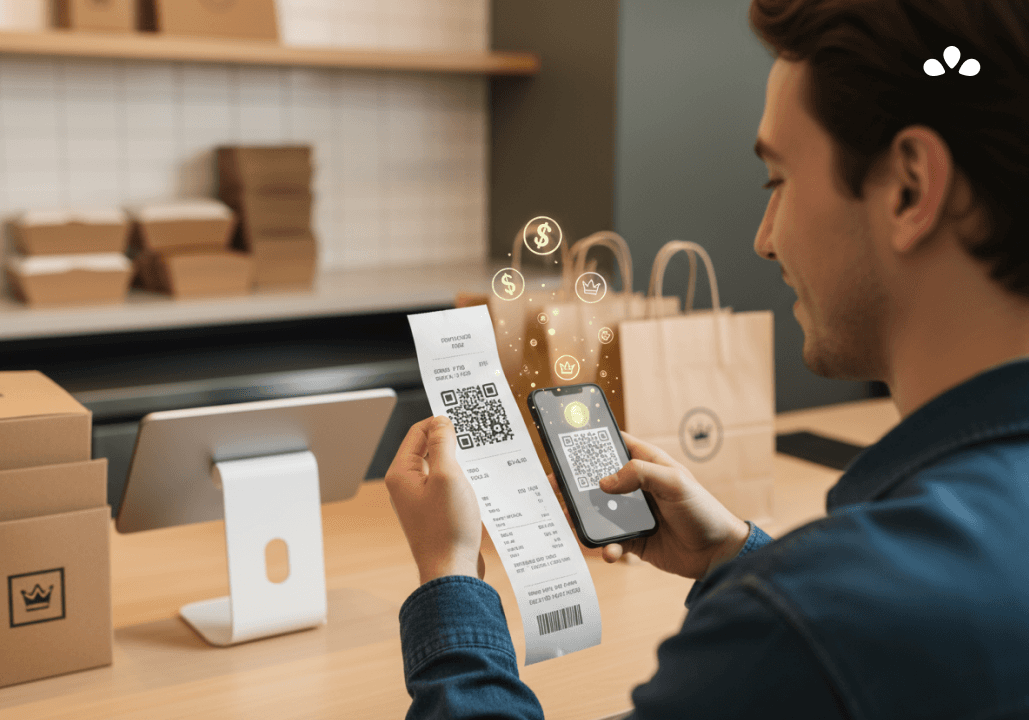
Successful digital ordering platforms deliver three core values: time saving, exclusive deals, and customisation options. Customers want to skip lines, access app-only promotions, and maintain their ordering preferences. Solutions like Nomni’s Magic App address all three by enabling QR-code access without downloads, built-in loyalty rewards, and seamless payment integration.

Time savings matters most. Users gravitate toward platforms that enable quick reordering of previous purchases and streamlined pickup processes. They abandon apps that create friction or fail to deliver speed advantages over in-person ordering.

Exclusive promotions provide the second pillar. App users expect deals unavailable to walk-in customers. These incentives justify the effort of downloading apps and creating accounts. Without meaningful exclusivity, digital platforms struggle to build loyal user bases.

To be effective, loyalty and incentive programs must be uniquely branded and offer differentiation. Traditional programs running on platforms branded by a loyalty provider and offering generic incentives are significantly less effective than those provided by Nomni, where the program is entirely branded and owned by you and customisable to create exclusivity.

Customisation completes the foundation. Successful platforms remember user preferences, suggest relevant items, and allow for detailed order modifications. This personalisation mirrors the best aspects of in-person service while adding digital convenience.

Operational transformation required

Digital success requires operational alignment beyond simply launching an ordering channel.

Menu engineering becomes essential. Nomni Online Ordering and Nomni Supply enable operators to test item placement, descriptions, imagery, and bundles to influence purchasing behaviour.

Kitchen workflows must adapt to increased digital volume. Dedicated pickup areas, clear signage, and staff training across multiple order channels become critical. Nomni POS and KDS support streamlined kitchen operations and improved order flow.

Data collection and analysis also become central capabilities. Digital systems generate insights into customer frequency, order patterns, and product performance. Nomni Insights provides real-time analytics, enabling targeted campaigns through integrated CRM tools such as Nomni Engage.

The loyalty revolution

Digital platforms support more advanced loyalty programs than traditional points systems.

Modern systems can trigger personalised offers based on frequency, purchase history, and seasonal trends. Instead of broad, generic promotions, operators can deliver targeted rewards aligned to individual preferences.

Brand-owned digital currencies and rewards systems allow operators to manage redemption rules while encouraging future visits.

Customers enrolled in structured digital loyalty programs typically visit more frequently and spend more per order. Venues using integrated loyalty platforms report measurable improvements in average order value and retention.

Digital ordering is more than a channel shift. It represents a structural change in how restaurants generate revenue, manage operations, and engage customers. Operators who treat it as core infrastructure rather than an add-on are better positioned for sustainable growth in a competitive market.

Nomni is the first complete hospitality system that works for you. Loved by over 35,000 venues across Asia Pacific and used by tens of millions of diners and operators annually. To see how Nomni can work for you, visit Nomni.ai

Nomni is the first complete hospitality system that works for you. Loved by over 35,000 venues across Asia Pacific and used by tens of millions of diners and operators annually. To see how Nomni can work for you, visit Nomni.ai

End not knowing!

Get industry insights, guides, best practices from the best operators, sneak previews of new technology, and more!

End not knowing!

Get industry insights, guides, best practices from the best operators, sneak previews of new technology, and more!

End not knowing!

Get industry insights, guides, best practices from the best operators, sneak previews of new technology, and more!